Palm Oil, Grounded Flights and Construction Halts: The Business Cost of Southeast Asia's Recurring Haze
The 2026 haze is a reminder that land-use and logistics risks are closely connected across Maritime Southeast Asia. Fires can disrupt palm production, flights in Borneo and outdoor construction at the same time, making the recurring fire season an operational issue, not just a sustainability concern.
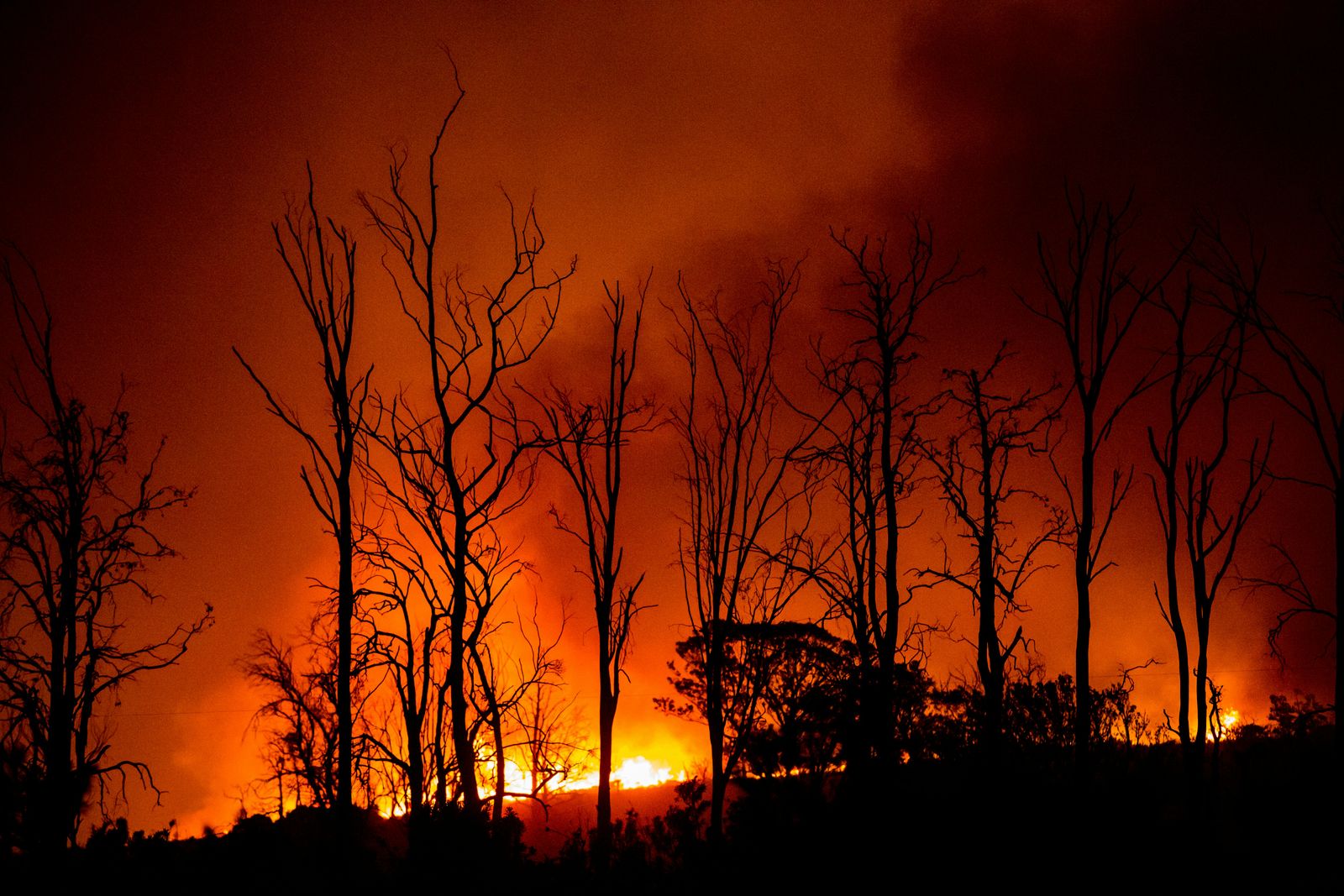
Smoke from Indonesia’s fires pushed Singapore’s air quality into the unhealthy range this month for the first time since October 2023. The 24-hour Pollutant Standards Index, Singapore’s standard measure, read 105 on the morning of 10 September after first crossing the threshold on the 4th. Malaysia had already declared a state of emergency in Sarawak’s Serian division on 3 September, where the Air Pollutant Index later passed 500.
This year’s fire season in Southeast Asia is a serious one. SiPongi, Indonesia’s forestry ministry monitoring platform, recorded 107,465 hectares burned in the first half of 2026, more than double the same period in 2023, and about 202,000 hectares by mid-August. That is still below the statistics from 2015, when 2.6 million hectares burned and the World Bank put the loss at around US$16 billion, but the dry season is not yet over.
The effects are already showing in the palm oil industry. Indonesia supplies about 55 percent of world exports, and some plantation workers have been taken off harvesting to fight the fires, with smoke and weak sunlight slowing fruit ripening. In the 2015 fire-and-drought season, Indonesian palm exports fell about 15 percent, their first decline in eighteen years. So far this year, prices have only risen slightly, indicating that the market is seeing a scare rather than a shortage – as of now. Analysts are still watching whether this season will follow that of 2015.
The fires are not a short-term, one-off hazard, but rather a long-term planning headache for businesses. They have now burned for weeks across six Indonesian provinces. In early September, West Kalimantan’s pollution index hit 1,023, more than three times the hazardous mark, pushing 1.43 million students to online classes. When visibility collapses, so does movement: visibility in Pontianak fell to about 100 metres on 3 September, too low even for the forestry minister’s plane to land, and 17 flights across the Lion Group’s four airlines were cancelled. Palm oil is never loaded on these aircraft, but a company can lose harvest time, struggle to move staff or urgent goods, and see its sites idled in the same weeks.
Furthermore, where the air turns hazardous, outdoor work stops. Under Sarawak’s state of emergency, the Public Works Department halted work on all construction sites in Serian, and safety rules on both sides of the border cut back on heavy outdoor work as readings climb. That touches on the region’s biggest current bet: the data centres, factories and industrial parks now drawing capital into Johor, Batam and Sarawak are outdoor, labour-heavy builds. As of now, air quality in Singapore, Batam and Johor is worsening but still below the hazardous levels that force work to stop. If it climbs there, their construction sites face the same halt as Serian’s.
So the yearly “haze” does not merely belong in a company’s sustainability report. For a business in Maritime Southeast Asia, it is an operating risk with a price tag: paid days lost, staff kept home, flights cancelled, sites idle. Fire season returns every year, worse during a strong El Niño. Firms that treat the haze as a recurring business risk and build some slack into their plans are less likely to be caught off guard when it does.
Get The Weekly Read every week
ASEAN investment commentary, free to subscribers.