S&P Affirmed Indonesia. Singapore Beat Forecasts. Southeast Asia's Oil Shock Didn't Go Anywhere.
S&P's affirmation of Indonesia and Singapore's GDP beat are not signs the region has escaped the oil shock — they are the first clean read of how each economy's buffers are holding, and where the bill lands next.
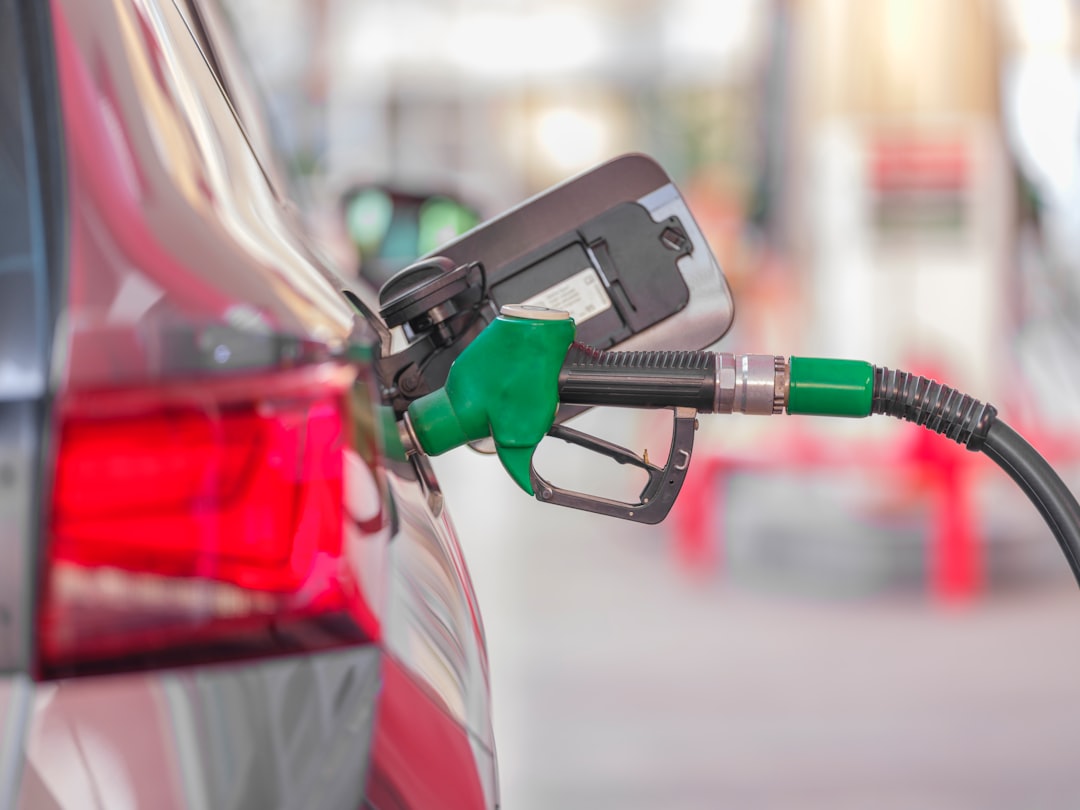
The ceasefire that had reopened the Strait of Hormuz broke on 7–8 July. Brent, down to $68 in late June, has climbed back into the mid-$80s this week. Four months in, the oil shock is reheating — but its effects no longer read as one regional story. They read as national ones, and this week produced a clean batch.
On 13 July, S&P affirmed Indonesia’s BBB rating and kept its outlook stable. The agency judged the country’s fiscal strains temporary, and expects higher commodity prices and spending cuts — including a cut of roughly one third to the free school meals programme — to repair the position over time. A day later, Singapore posted second-quarter growth of 5.7%, ahead of expectations, on AI semiconductor demand that sits outside the oil cycle.
So are the region’s big economies bucking the pain? No. The Asian Development Bank just cut developing Southeast Asia’s 2026 growth forecast to 4.6%, and now sees inflation across developing Asia at 4.3%, with oil and gas the dominant driver; the region’s fossil-fuel subsidy bill — around US$40 billion a year before the crisis — is set to swell. The shock is not good for anyone. But every country has built machinery to buffer it — subsidies, substitutes, currency policy, diversification — and across most of the region, that machinery has one purpose: keeping fuel affordable for the households that commute, farm and fish on it. In most of Southeast Asia, the price at the pump is politics of the first order, and few governments can let it rise unchecked. Singapore is the exception. Rich and transit-dense, it has no pump-price politics to manage, so it lets fuel prices rise and fights the resulting inflation with its exchange rate instead: where its neighbours reach for subsidies, its central bank strengthens the Singapore dollar to make imports cheaper.
Where the damage surfaces depends on the machine. Thailand holds pump prices down through its Oil Fuel Fund, which absorbs the difference whenever crude runs above the capped price. At the March peak, the fund was burning US$32 million a day, and it caught its breath only when crude eased in June. Its balance rises and falls with every move in Brent. Malaysia, the region’s traditional oil-and-gas exporter and now, by its own prime minister’s admission, a net fuel importer, is rationing subsidised petrol. Vietnam drains a price stabilisation fund and reaches for substitutes, pulling its E10 biofuel rollout forward from June to April.
Even Singapore’s good quarter reads differently up close. Manufacturing grew 12.2% on the AI cycle, a source of demand that has little to do with oil. But Singapore earns its living selling services to its neighbours — moving their cargo, banking their firms, hosting their travellers — and when fuel squeezes those neighbours, the spending that reaches Singapore thins. Services slowed to 4.6% from 6.2%; the tourism-facing cluster grew just 2.7%. Singapore is not unscathed, in other words. Its share of the pain simply arrives through a different door — regional demand — and it arrives later and more quietly than a subsidy bill.
Indonesia’s machinery is doing exactly what it was built for — shielding the households that ride and drive on subsidised fuel — at full price. The 2026 budget puts Rp 381.3 trillion (US$22.5 billion) into subsidies covering 30–40% of pump prices, on an assumption of $70 crude. Brent, this week, is in the mid-$80s. And there is a new complication. The commodity revenue S&P is counting on must now pass through DSI, the state export channel that has handled coal, palm oil and ferroalloys since June. Full control is targeted for January 2027, but the criteria by which DSI will evaluate existing contracts have not been published, and exporters are still unsure how the system will work in practice.
S&P’s affirmation is, at bottom, a bet that Indonesia’s buffers will hold — and every government in the region is making a version of the same bet. None of these economies is helpless. But as the crisis wears on, each economy’s performance will increasingly reflect the buffers it built — and for anyone with money in the region this year, the useful question is probably not which country to be in, but which side of each country’s machinery an investment sits on.
Get The Weekly Read every week
ASEAN investment commentary, free to subscribers.