Indonesia–Singapore Deal Adds to Southeast Asia's Local-Currency Push
A new rupiah–Singapore-dollar settlement framework is the latest piece of a slowly accumulating regional shift toward settling trade in local currencies rather than dollars — within ASEAN and increasingly with China.
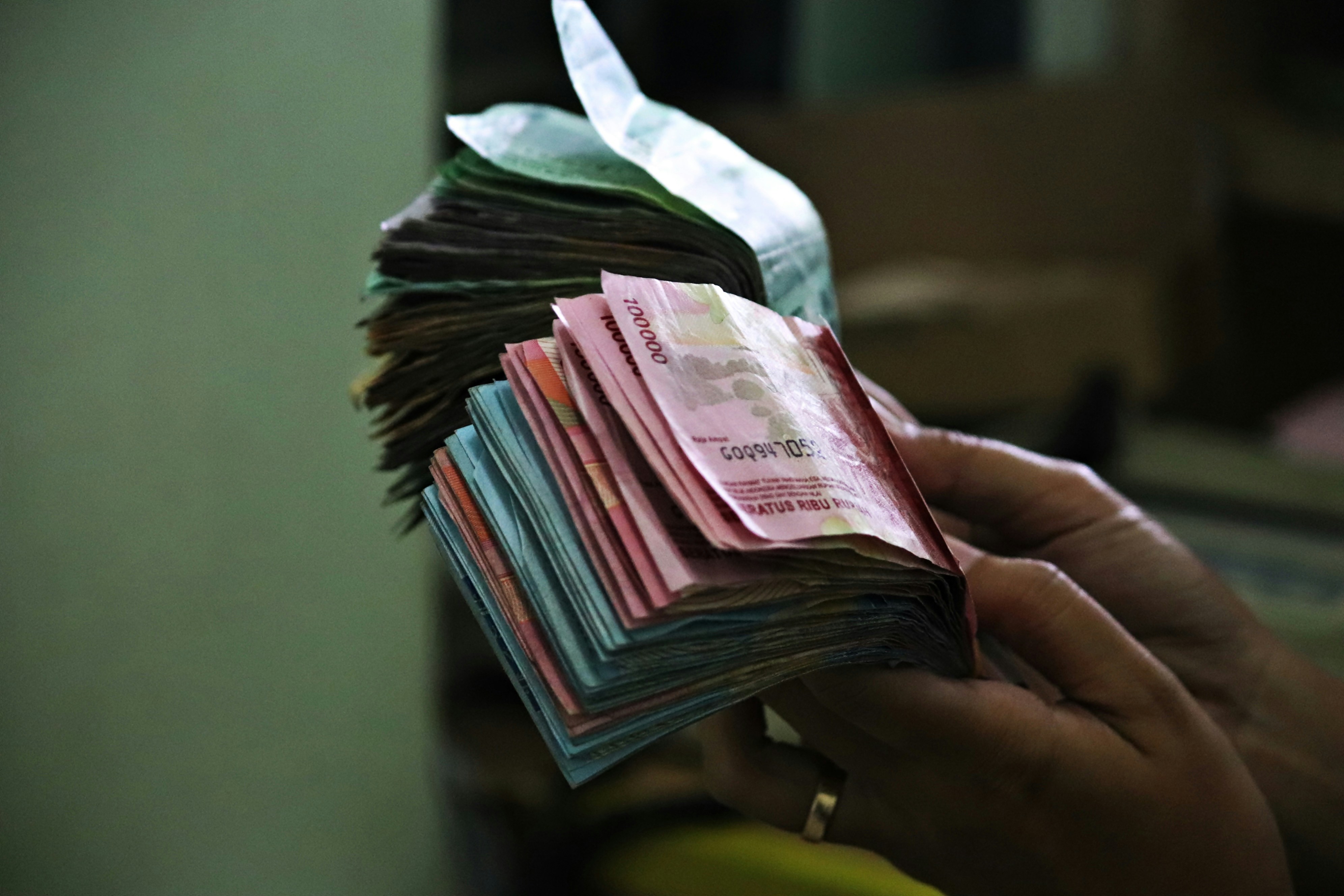
On 31 August, Bank Indonesia and the Monetary Authority of Singapore switched on a system allowing firms to settle trade and investment between the two countries directly in rupiah and Singapore dollars, without converting through US dollars. Three Singaporean and nine Indonesian banks will handle quotes and settlement. Singapore and Indonesia are logical partners for this initiative: bilateral trade was worth around US$16.9 billion in the first half of 2026, while Singapore is Indonesia’s largest source of inward investment, although much of that is foreign capital routed through Singapore.
The immediate benefit is straightforward. Firms avoid currency conversion through the USD and the associated bank spread. The dollar does not disappear, however. It remains the main currency for international pricing and reserves. The saving is simply that, where transaction volumes are large, removing one conversion can reduce costs.
The wider development is more interesting. Indonesia, Malaysia and Thailand have already been settling some trade in their own currencies for several years, and Singapore has now been added to this network under ASEAN’s broader effort to link regional payment systems. Some of this infrastructure is already visible to travelers in the form of cross-border QR payments between countries like Malaysia, Indonesia, Singapore and Thailand. Above these bilateral arrangements is Project Nexus, led by the Bank for International Settlements, which connects the instant-payment systems of five ASEAN economies (Indonesia, Malaysia, the Philippines, Singapore and Thailand) and India and is expected to become operational around 2026–27.
There is also a growing connection with China’s monetary network. Chinese tourists can now use WeChat Pay and Alipay across much of Southeast Asia, but the more consequential changes are upstream: RMB swap arrangements with the central banks of Singapore, Indonesia, Malaysia and Thailand; yuan-clearing banks in five ASEAN countries; and more than a hundred ASEAN banks connected to CIPS, China’s cross-border payment system. RMB settlement with ASEAN increased by roughly a third in 2024, and the RMB now accounts for close to 30 percent of China–ASEAN trade.
AMRO estimates that local-currency settlement in the ASEAN+3 region (including China, Japan and South Korea) has risen from roughly 7 percent of intra-regional payments to more than 15 percent over five years. That is a noticeable increase, but the figure covers two different developments. The first is that ASEAN countries are settling directly in each other’s currencies; the second reflects ASEAN trade being settled in yuan. Both reduce reliance on the dollar.
For businesses, the benefits are uneven. A factory financed by an overseas parent and exporting to global markets in dollars has little reason to change its basic arrangements. The more immediate benefits accrue to businesses whose operating base spans the region, because they can easily pay local suppliers, freight providers, distributors and employees in the local currency. It is also relevant to companies in Southeast Asia that import components from China and assemble them for export. In all this, cutting the USD as an intermediary reduces overall transaction costs.
It is still too early to describe this as a coherent regional monetary strategy. There is no central authority directing the process, and no clear blueprint for monetary union. Most arrangements have emerged because particular central banks or governments have found them useful. The regional system is still incomplete, but the financial infrastructure is gradually accumulating. The Singapore–Indonesia arrangement is another relatively small addition to it.
Get The Weekly Read every week
ASEAN investment commentary, free to subscribers.