Deepwater Gas, Rooftop Solar and LNG Imports: Thailand's Emerging Energy-Security Portfolio
Thailand's latest gas round, THB50 billion rooftop-solar scheme, and plan to generate half its power from clean energy are not contradictory. They are all part of the same effort to reduce reliance on imported gas after the Hormuz shock—and new domestic gas production will take the longest to make a difference.
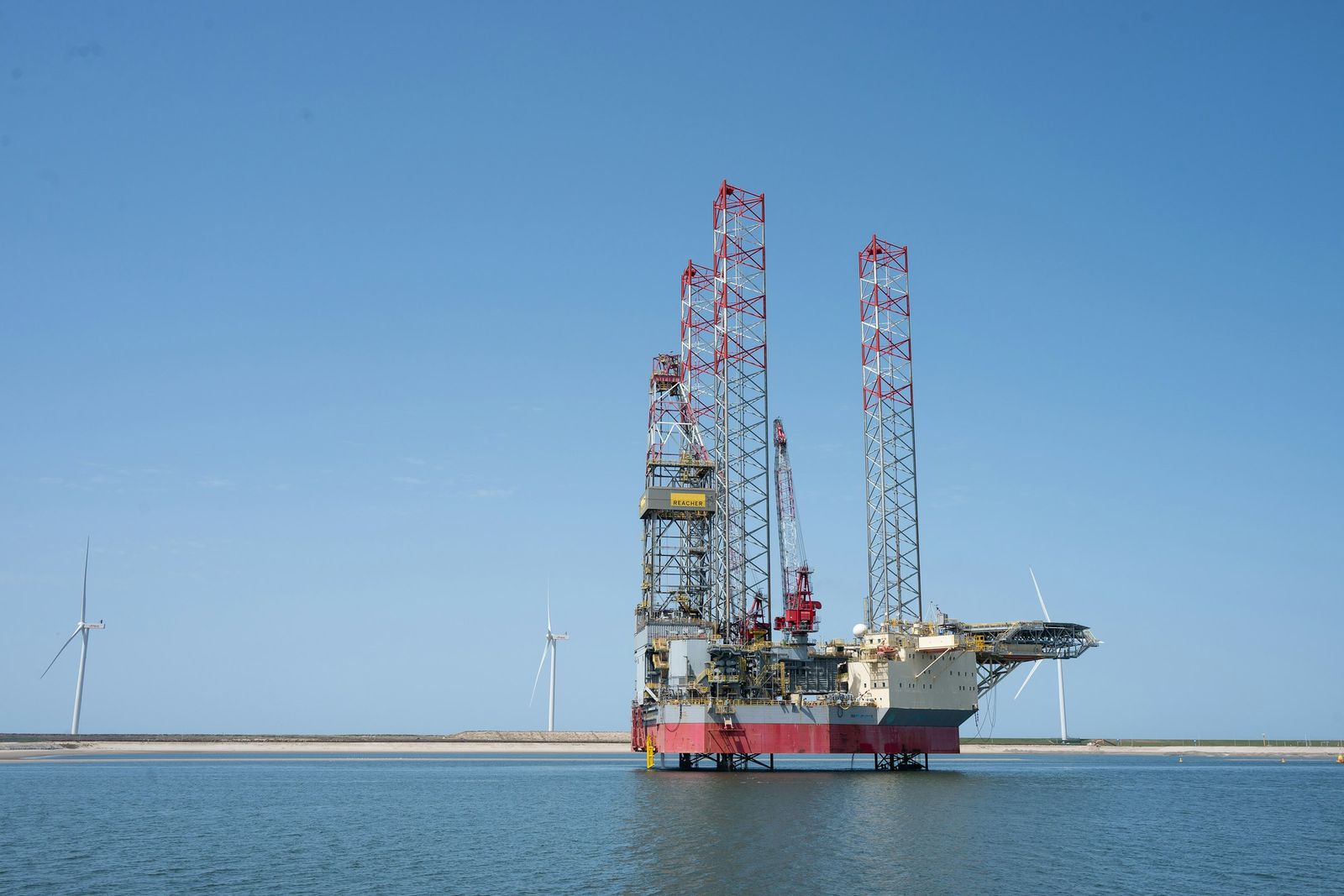
On 15 September, Thailand’s energy minister, Akanat Promphan, announced that Thailand would offer more than 60,200 square kilometres of Andaman deepwater acreage to international investors for the country’s planned 26th petroleum round. He also declared that LNG import capacity would grow from 19m to 27m tonnes. One may assume that Thailand is going back to fossil fuels.
Not so fast. A day earlier, Prime Minister Anutin Charnvirakul had said that natural gas would stay important to power-system stability, but that Thailand was adding renewables, grids and storage, announcing a THB50bn household-solar programme starting in mid-October. Six days before that, the Energy Ministry’s draft Power Development Plan proposed raising the share of clean power in Thailand’s electricity mix from under 20% to 50% within a decade.
The caveat is that although the Energy Ministry has delineated the block, the proposal still has to go through the Petroleum Committee, the minister and Cabinet. Thailand has seen delays in similar projects. When PTT group took over the Erawan field in 2022, a two-year handover dispute delayed drilling and cut output, forcing Thailand to import LNG to replace the missing gas and feeding into higher electricity bills. Thailand is not unusual in this. Acreage rounds, solar targets and grid plans across the region pass through similar chains of approval, and timelines often slip.
What this shows is that Thailand is not choosing between fossil fuels and renewables. It is pulling every lever that reduces its exposure to imported gas, and the announcements differ mainly in how fast each lever works. Thailand’s own fields do not produce enough for domestic use, so it buys spot LNG to cover the shortfall, and since the Hormuz crisis sent prices up, filling that shortfall has become expensive. Rooftop solar cuts down on the amount of fossil fuel that needs to be burned. Bigger LNG terminals ensure that the energy gap can be filled by imports in the meantime. New gas from the Andaman is the slowest of the three to come online, because production can take place only after completing all approvals, bids, drilling and construction, which takes years even when nothing goes wrong. The petroleum round took the headlines, but it is the long option in the portfolio, not the near-term fix.
Thailand is far from alone in its attitude toward energy security. Before the crisis, a third of Southeast Asia’s gas imports came from the Middle East, and the IEA calls the conflict a wake-up call. It puts the region’s fossil-fuel import bill at more than US$80bn in 2024, heading for about US$245bn by 2035 on current policies. Meanwhile, Southeast Asia had about 120 GW of renewable capacity in 2024, which the IEA expects to nearly triple by 2035 on current policies. Thailand’s experience is therefore common across the region: most countries that cannot produce their own fossil fuels may import them from abroad, no matter the price, or develop their own renewable power capabilities. Increasingly, they are doing both.
For an investor, the week sets out three Thai energy markets that will run at the same time: exploration and gas infrastructure; solar, storage and grid equipment; and LNG supply. Similar opportunities are likely to appear in other regional economies too. In Southeast Asia, the energy transition and energy security have become part of the same project.
Get The Weekly Read every week
ASEAN investment commentary, free to subscribers.