Washington's Third Tariff in Five Months — and Why ASEAN Can't Wait It Out
As Washington brings in its third tariff mechanism in five months, Southeast Asian exporters should price the levy — and scrutiny of where their goods are really made — as a standing cost, not a passing storm.
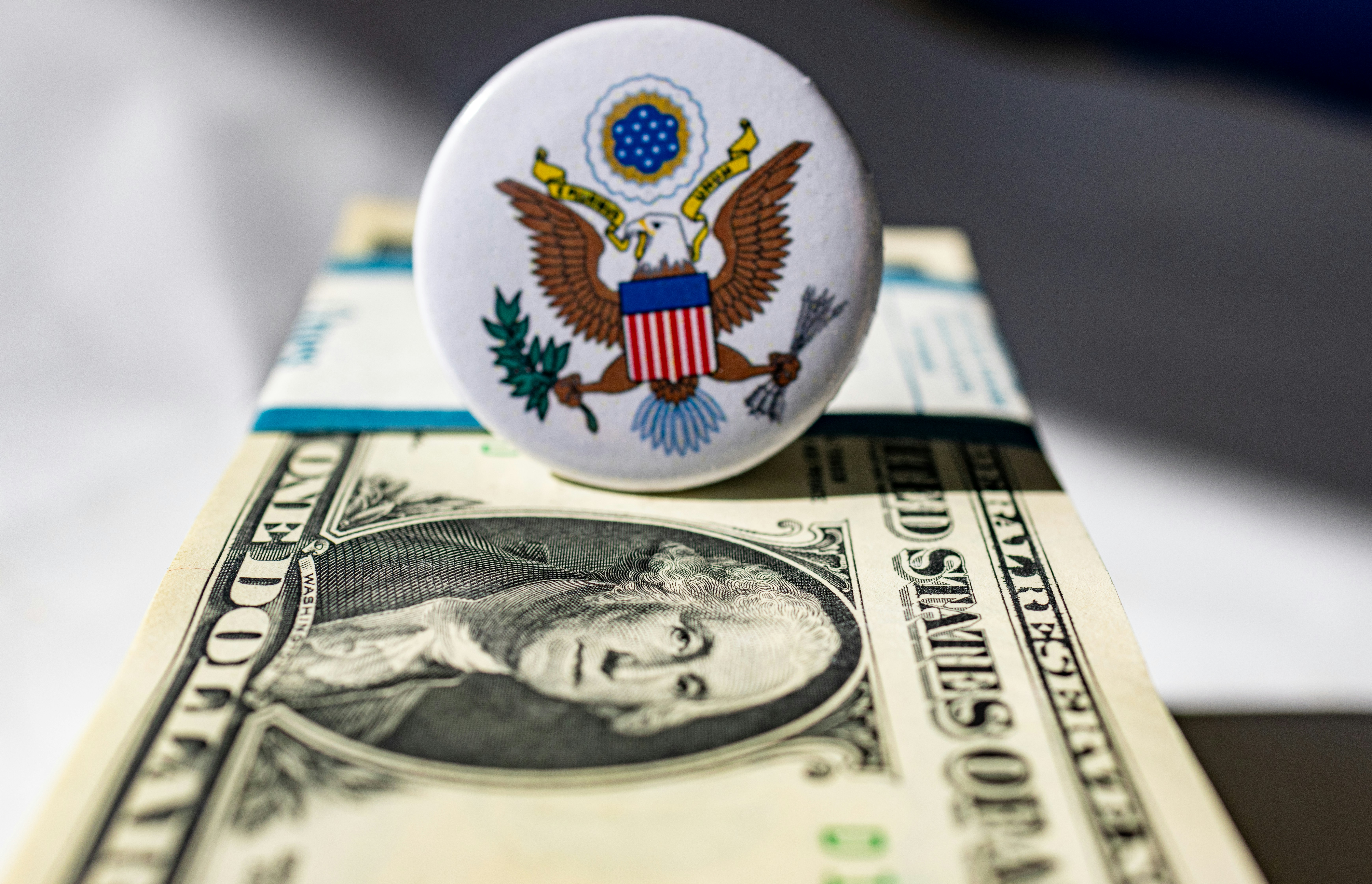
On 24 July, one minute past midnight in New York, the United States began applying a new tariff to most of the world’s exporters: 10% for countries that agree to police forced labour in their supply chains — Malaysia, Indonesia and Cambodia among them — and 12.5% for those that have not, a group that includes Thailand, Vietnam and China. The lower band is a reduced penalty, not an exemption: the investigation faulted every economy it reviewed, so even full compliance buys 10%, not zero — under this regime, 10% has simply become the floor for reaching the American market. For Southeast Asia, the immediate focus is the 2.5-point gap it opens between neighbours. But the rates are the least of what changed.
The instinct in every boardroom this week is to wait it out. The rates are modest; American tariffs have been struck down in court before; a future administration might unwind the whole thing. It is an understandable position. On the evidence, it is also mistaken.
Start with the politics, because that is what the “it will pass” view misreads. Tariffs are no longer one administration’s project. The previous administration kept every China tariff it inherited and, in 2024, raised several sharply — electric vehicles from 25% to 100%, semiconductors to 50%. A change of party tightened the policy rather than loosening it. The legal form this round takes — an import rule aimed at forced labour — is part of what gives it staying power: it draws on legislation that passed the House of Representatives 428 to 1. One can debate how much the measure is about labour standards and how much about trade leverage, and that debate will run. For a business the more useful observation is narrower: a tariff built on this footing is far harder to litigate away or repeal than one built on emergency powers.
That difference in footing is the second half of the story, and it is visible in the record. In February the Supreme Court struck down the tariffs the President had imposed under emergency powers, ruling that taxing imports is Congress’s prerogative. The White House answered the same day with a fresh 10% baseline under a different statute, good for 150 days. A trade court ruled that one unlawful too; an appeals court stayed the ruling and left it in place. And on the day the 150 days expired — 24 July — the forced-labour tariffs took over. One tool falls, another is drawn. The American statute book is deep enough that there is usually another.
Beneath the rates sits a quieter shift. Investors long assumed enforcement in the region would stay patchy. Washington has made patchiness expensive: the lower band is a reward for governments that genuinely check where goods are made. Enforcement, in effect, has been delegated to partner states. Four days before the tariffs landed, Thai customs seized about 101 million baht of Chinese goods relabelled “Made in Thailand” at Laem Chabang — and Thailand sits in the higher band, policing its own name to protect it. Enforcement is still uneven, a sword that hangs rather than falls. But it hangs now where before it barely did, and that belongs in the risk calculation.
None of this is cause for alarm, nor a verdict on whether the American approach is right. It is a planning assumption. Price the tariff as a standing cost of selling into the United States, and treat scrutiny of where your goods are really made as part of that cost rather than an occasional hazard. For anyone manufacturing in the region for the American market, the safer assumption now is the simplest one: that it stays.
Get The Weekly Read every week
ASEAN investment commentary, free to subscribers.