Indonesia's Two Investment Stories: Record FDI and a Stock Market Under Scrutiny
MSCI's proposal to reclassify Indonesia's stock market and the country's record foreign direct investment measure different things, and the cost of a weaker rupiah falls mainly on businesses earning in rupiah rather than on dollar-earning smelters.
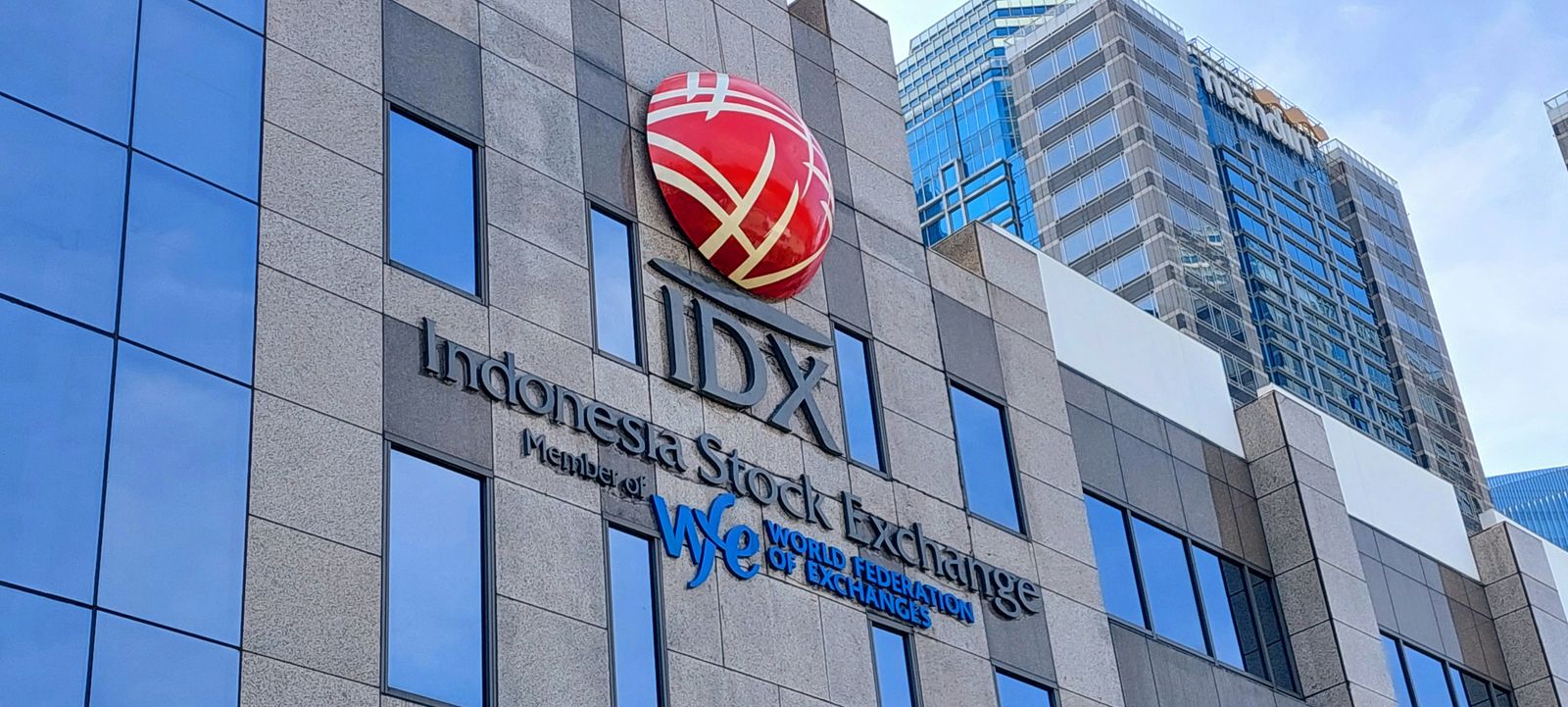
Within four days in October, Indonesia sent foreign investors two very different signals. On 15 October, MSCI proposed moving its Indonesia indexes from Emerging Market to Standalone Market status, with a final decision due by 30 June 2027. The following day, the Jakarta Composite Index closed 11.6% lower, although the rupiah fell by just 0.5%. Yet on 19 October, Investment and Downstreaming Minister Rosan Roeslani announced record foreign direct investment for the third quarter, up 27% from a year earlier.
The apparent contradiction reflects what each figure measures. MSCI’s review concerns the functioning of Indonesia’s stock market, citing investor concerns over “persistent opacity in shareholding structures and suspected coordinated trading behavior”. Indonesia has responded by requiring disclosure of shareholdings above 1% and is raising the minimum free float, or shares available for trading, to 15% in stages. MSCI wants to see these reforms implemented consistently across the market. The index under review also represents a narrow part of the economy: financial companies make up 72% of it, while materials and energy together account for less than a tenth.
Foreign direct investment tells a different story. Basic metals took almost a third of foreign investment between January and September, the largest share of any sector. Much of this investment went to Central Sulawesi and North Maluku, where Indonesia’s nickel processing industry is concentrated. In the third quarter, Hong Kong and Singapore were the largest recorded sources, followed by the United States, mainland China and South Korea. But these figures reflect where investing companies are registered, rather than where their capital originates. As Rosan acknowledged in July, much of the investment recorded from Hong Kong ultimately comes from China. The figures reflect the continued expansion of the processing industry that Indonesia’s downstreaming policy has spent years encouraging.
This concentration matters when considering the effects of a weaker rupiah, which has fallen around 6% since March amid several pressures, including stock-market sentiment, according to Bank Indonesia. Nickel products are priced in dollars, as are Indonesia’s official benchmark prices for nickel ore and metal. Smelters exporting their output are therefore relatively insulated from rupiah depreciation.
The position is less comfortable for businesses earning in rupiah while paying for imported inputs or servicing debt in dollars. Industry estimates suggest that imported materials account for roughly 70% of industrial raw materials. The state electricity company PLN illustrates the exposure. With some costs and debts denominated in dollars, PLN recorded a currency loss of Rp18.5 trillion in the first half of 2026 and ended the half in the red despite higher revenue. Bank Indonesia responded this week by holding its main interest rate while reducing currency hedging costs for foreign investors, a combination that supports the rupiah without raising borrowing costs.
Indonesia’s resources continue to attract substantial foreign investment. But the MSCI review draws attention to a risk unevenly distributed across the economy. Resource projects that export in dollars are largely shielded. For businesses earning in rupiah, the eight months to MSCI’s decision provide enough time to review their currency exposure, now that Bank Indonesia has made hedging cheaper.
Get The Weekly Read every week
ASEAN investment commentary, free to subscribers.