The Tax Holiday Is Over. Southeast Asia Isn't.
The corporate tax holiday that built Southeast Asian industrialisation is being retired under the global minimum tax — but the real investment case never rested on it.
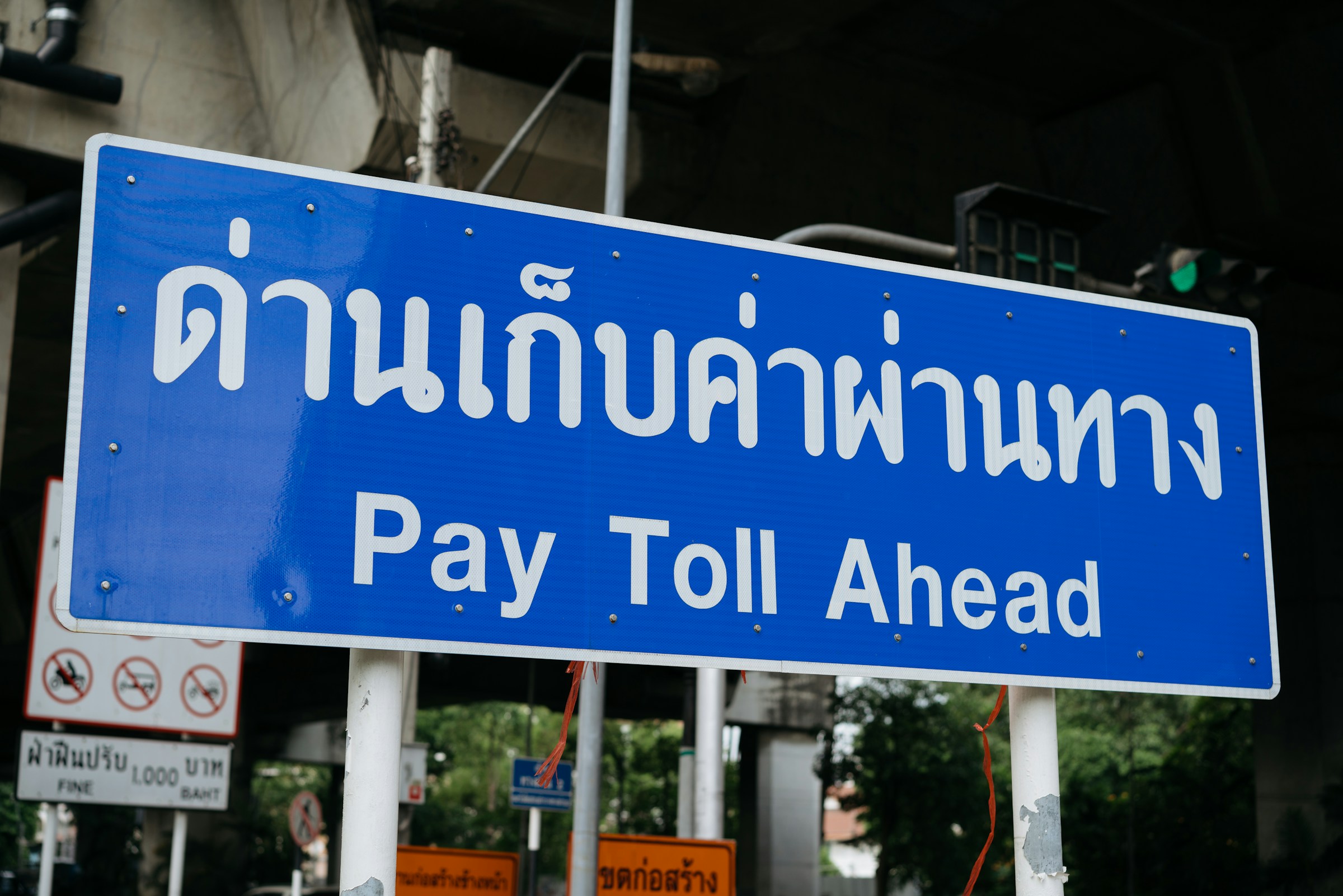
There are headlines designed to grab eyeballs and rattle businessmen. This week was one of them. Thailand announced a 15% minimum corporate tax on large multinationals. It sounds like a shockwave. For most companies across Southeast Asia — and especially most Chinese ones — it is the latest chapter in a regional shift that has been quietly assembling since 2024.
For decades, the defining tool of Southeast Asian industrialisation was the corporate tax holiday. Zero corporate income tax for up to thirteen years, in exchange for a factory. Thailand, Vietnam, Malaysia, Indonesia — all ran versions of it. It worked. Investors got a clean number to put in a spreadsheet. Governments got factories. China became the largest single source of manufacturing FDI into the region — greenfield Chinese investment in ASEAN exceeded USD 26.4 billion in 2023, roughly USD 10 billion more than the combined investments of the US, South Korea, and Japan — and the tax holiday was a significant part of the calculus.
That tool is being retired. But not for the reasons the headlines suggest.
In 2021, over 140 countries agreed to stop undercutting each other on corporate taxes. Every large multinational must now pay at least 15% somewhere. If the country where it operates doesn't collect enough, another country will. For Southeast Asian governments, the response has been equally simple — collect it yourself, keep the money. The catch: to keep that right under the OECD framework, each country had to apply the rule to everyone, with no exceptions and no carve-outs. It wasn't aimed at Chinese companies. It was the price of keeping any tax revenue at all.
One important detail buried in the fine print: this only applies to companies with over €750 million in global revenue. Below that line, nothing changes. Most Chinese manufacturers across the region — components, EV parts, food inputs — sit well below it. For them, this week's announcement is not really about them.
The dominoes have now all fallen. Malaysia moved first in 2024, restructuring incentives from blanket tax exemptions to investment allowances and grants. Singapore enacted its framework in 2024, effective from January 2025. Indonesia issued its implementing regulation on 31 December 2024. Vietnam followed in August 2025, with approximately 100 major foreign-invested companies directly affected. Thailand completed the picture on June 16. Every core ASEAN-5 market has now moved. The tax holiday as a competitive tool for large multinationals is finished across the region.
What replaces it is already visible in Singapore, which never competed primarily on tax to begin with. Its headline corporate rate of 17% was always above the 15% floor; its advantages were rule of law, financial infrastructure, talent, and logistics. Singapore's Budget 2026 leaned further in that direction — S$37 billion committed to R&D and innovation from 2026 to 2030, extended incentive regimes for finance and trading companies. Compete on what tax can't replicate. That is the model every other SEA government is now being pushed toward — Malaysia restructuring around capability investment, Thailand rolling out refundable credits for R&D and skills rather than passive profit sheltering.
The real investment case was never the tax holiday — even if many investors built their spreadsheets around it. Thailand's automotive cluster — Toyota, Honda, Mitsubishi, Isuzu, over sixty years of supply chain depth, the Eastern Economic Corridor drawing over a trillion baht in committed investment — does not move because a rate changed. Neither does its food processing position: more than half of global cassava starch exports, 28 million tonnes of processed output a year. Malaysia's electronics and semiconductor ecosystem in Penang competes on precision manufacturing and engineering talent. Vietnam's labour cost advantage and proximity to Chinese supply chains remain intact. The structural factors that drew Chinese manufacturers into Southeast Asia are still there.
The lesson applies across the region. If your investment case rested on the tax holiday, recalculate. If it rested on supply chain depth, infrastructure, geography, and market access — the fundamentals haven't moved.
Get The Weekly Read every week
ASEAN investment commentary, free to subscribers.