In a One-Party System, a Politburo Directive Sets the Path — Why Vietnam's Opening Is Different
A Politburo resolution naming the private sector the economy's most important force carries a durability no FDI figure does — and from 2026 it is codified in law.
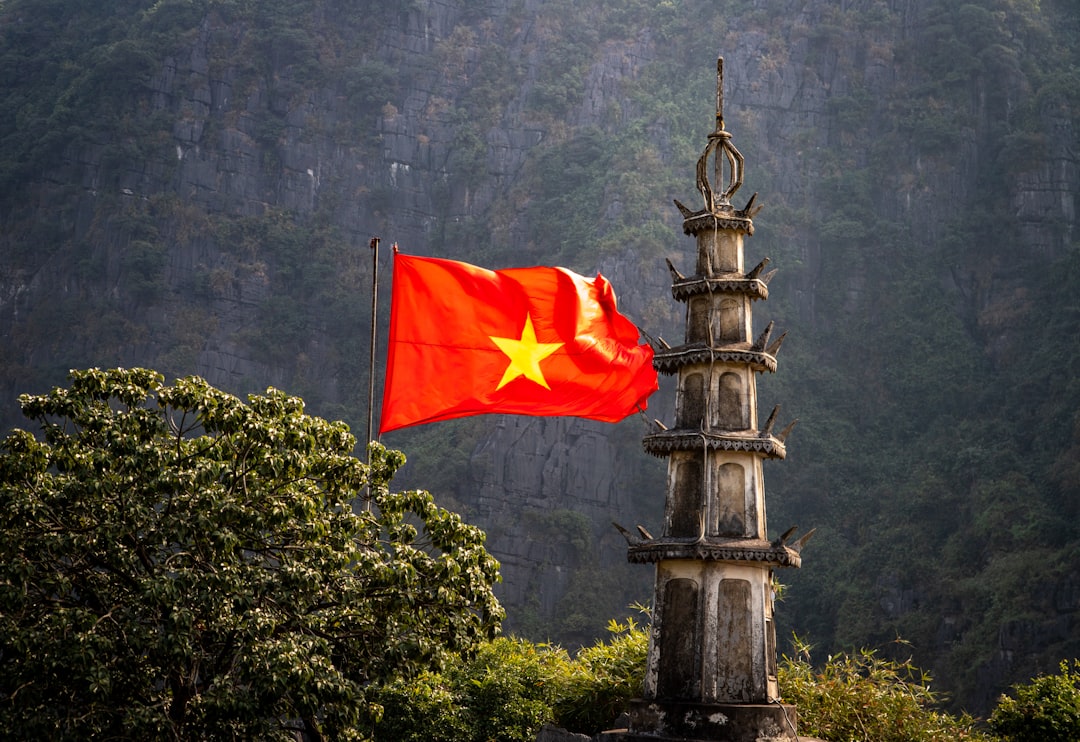
Vietnam has just recorded its strongest four months of foreign investment inflows in five years. Between January and April 2026, USD 7.40 billion in foreign direct investment was disbursed in the country — capital that has already arrived and is being put to work, not commitments still to be tested. That follows a 2025 in which the economy grew 8.02%, the second-highest annual rate in fifteen years. The investment community has reached a verdict on Vietnam.
As strong as those numbers are, they are the surface of a more fundamental shift. On 4 May 2025, Vietnam's Politburo issued Resolution 68-NQ/TW, formally declaring the private economy "the most important driving force of the national economy" — a direct reversal of the previous ideological framing that placed state enterprises at the centre of development. Resolution 68's quantified targets for 2030 include 2 million enterprises in the economy and private sector contribution to GDP at 55–58%.
For those who understand how a communist party system operates, this matters more than any FDI figure. In a one-party system, a party directive has a different quality of durability than a policy announcement in a parliamentary or politically fragmented system. There will be obstruction and reversals at the local level — there always is. But the party's direction will ultimately prevail. The direction of Vietnam's economic development is clear: privately led.
To Lam holds the role of General Secretary and was additionally elected State President by the National Assembly on 7 April 2026, giving the party and state a single institutional voice behind this directive. The alignment matters: it removes the structural friction that can exist when the party sets a direction and the state apparatus pulls against it.
The Law on Investment 2025 (No. 143/2025/QH15), in force from 1 March 2026, is the directive translated into operational reality. Foreign investors may now establish a legal entity before obtaining an Investment Registration Certificate — a procedural reversal of the previous requirement. Projects in industrial parks, export processing zones, high-tech zones, and international financial centres may use a "green channel" that eliminates pre-approval procedures entirely. A revised intellectual property law, effective 1 April 2026, compresses trademark registration from nine months to five and patents from eighteen months to twelve.
On 1 July, the second tranche takes effect: 38 conditional business lines will be removed from licensing requirements. The confirmed sectors include customs clearance services, data centre services, technology services, and employment and human resources services. From that date, companies in deregulated sectors declare compliance and begin operating under post-inspection supervision, rather than waiting for a pre-operational licence.
Chinese consumer and F&B brands are already moving. Mixue has established a significant franchise footprint and is spawning local imitators. Cotti Coffee has a growing urban presence. BYD is expanding its EV dealership network. But Vietnam is not a free-for-all: Temu was suspended in December 2024 for failure to comply with foreign business registration requirements. The market is open; the rules are real.
The principal headwind worth naming is US Section 301 circumvention enforcement, which continues targeting goods transshipped through Vietnam to avoid Chinese tariffs. For Chinese investors whose target market is Vietnam itself or the broader Southeast Asian region, this is not a material constraint.
The party has issued its directive. The law has opened the door. The question for Chinese investors is not whether Vietnam is ready — it is whether they will move before everyone else reaches the same conclusion.
Get The Weekly Read every week
ASEAN investment commentary, free to subscribers.