Imported EVs Face 35% Tax as Thailand Pushes for More Local Production
Thailand’s 35% excise tax on fully imported EVs shifts the localisation bargain from import incentives towards local production and domestic content.
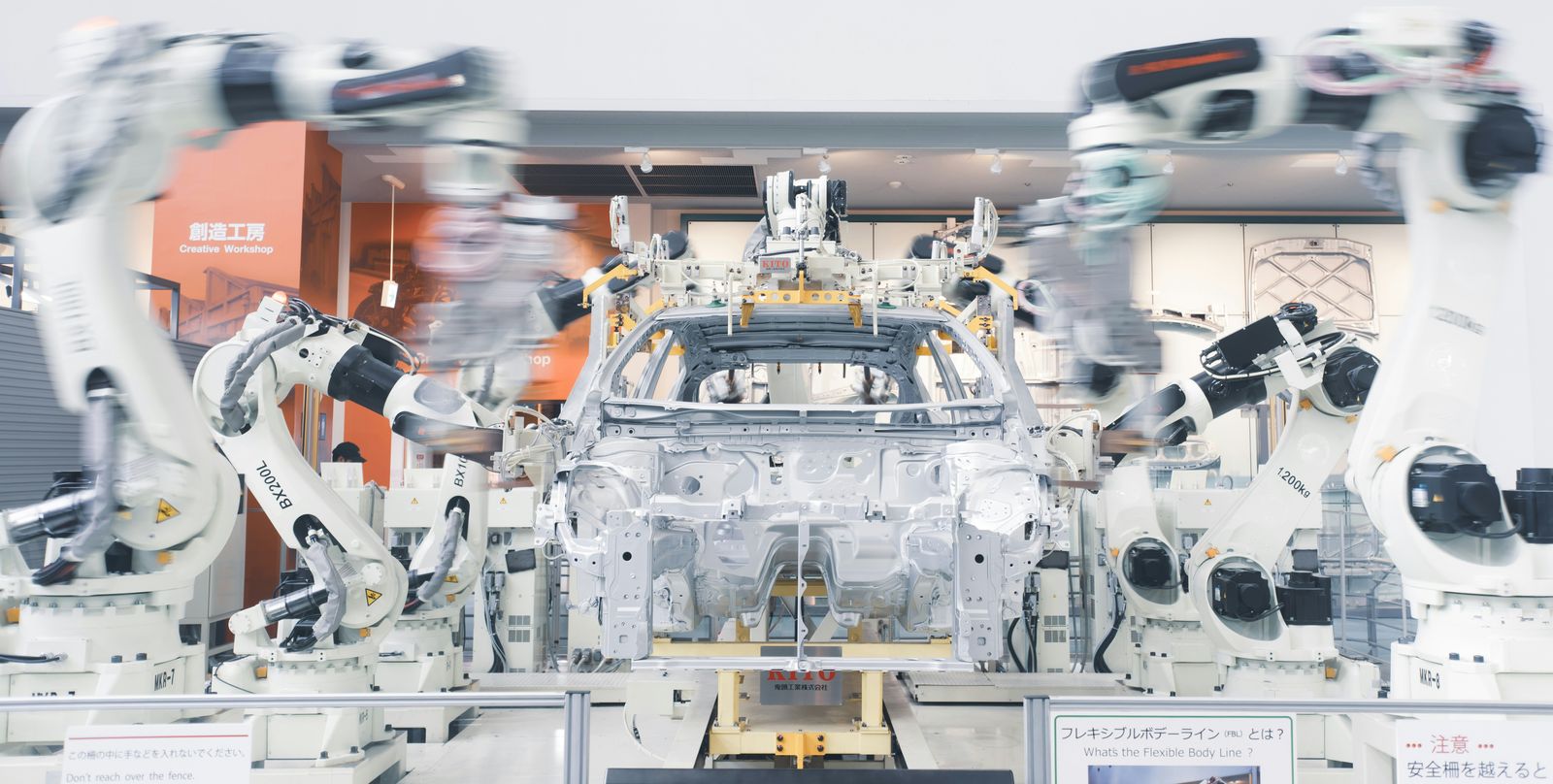
On 3 November, Thailand’s Cabinet raised the excise tax on fully imported battery electric vehicles from 10% to 35%, and on range-extended EVs from 15% to 35%, effective 1 January 2027. Thai-built EVs will keep their reported 2% rate, while the Excise Department may negotiate special lower rates with investors that establish or expand production. Finance Minister Ekniti Nitithanprapas said the aim is to keep Thailand a production and export base and to be fair to firms that built local factories, hired Thai workers and developed the parts supply chain.
This continues a bargain Thailand has offered carmakers for several years, enforced in a different way. Under EV 3.5, carmakers that imported with tax breaks must build two cars locally for every one imported this year, and three next year. The EV Board has already adjusted the rules: each exported EV counts as 1.5 units towards the obligation, while a “reverse exit” lets a carmaker repay the tax break, with penalties, rather than build replacement cars. The Board called this “managing potential oversupply”. The new excise adds a direct cost to importing. Industry Minister Varawut Silpa-archa said it could offset import-duty concessions so that manufacturers with Thai plants are not undercut by companies importing finished cars.
BYD’s Thai distributor summed it up: the line runs between companies that invest in Thailand and those that import. Chinese brands with local assembly, such as BYD and Great Wall, are on the protected side. Mercedes-Benz has assembled the electric EQS in Samut Prakan since 2022 and the EQS SUV since 2024, with a locally assembled electric GLC reported for December. Japanese manufacturers are largely untouched because their Thai output is mainly pickups, combustion cars and hybrids; the 35% rate applies only to battery and range-extended EVs.
Brands reported as more exposed include Tesla, Volvo, Porsche and Audi, along with Chinese newcomers that currently import their cars. Several are reconsidering their position: Leapmotor plans Thai production in 2027, Geely is accelerating its assembly plans and XPeng is studying a plant. Importers can absorb the tax, raise prices or assemble locally.
The next question is how much value stays in Thailand. Varawut noted that an EV has thousands of parts, compared with 20,000 to 30,000 in a combustion car, and said the new approach links tax treatment to domestic content. Thailand assembles battery packs at the SVOLT–Banpu NEXT plant in Chonburi and GAC’s Inpow plant, which opened on 29 October. Cell production, the largest share of an EV’s value, is less advanced. Sunwoda’s roughly US$1bn project has been approved, while CATL and Arun Plus describe a cell plant as a long-term goal. Kit assembly can be added quickly; battery-cell production takes longer.
Much now depends on the local-content threshold for a lower rate. It is still being negotiated, alongside an import-quota scheme allowing investors to retain current rates on some imported models. Details are expected when the Finance Minister presents the measures to investors in Japan in mid-November. The 35% rate is meant to encourage local assembly; the threshold will decide how much of the battery, motor and electronics supply chain follows it.
Get The Weekly Read every week
ASEAN investment commentary, free to subscribers.